Welcome
About me
THIS IS AN IDEAL PLACE
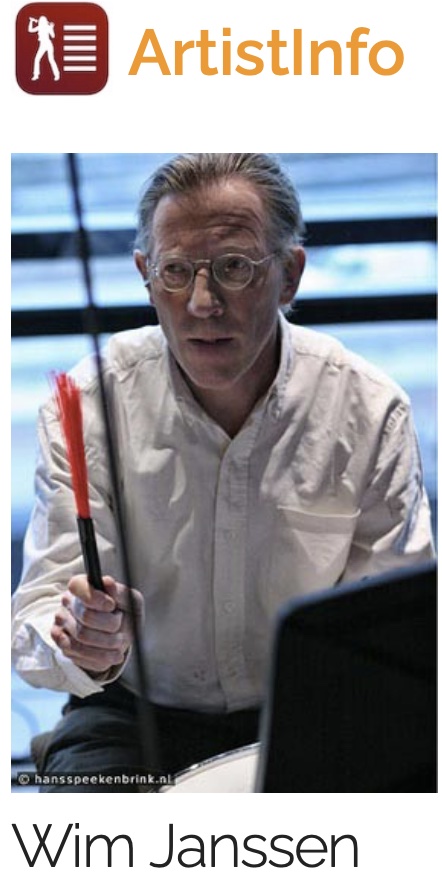
Wim Janssen drums and paints in a warehouse on Zeeburgereiland
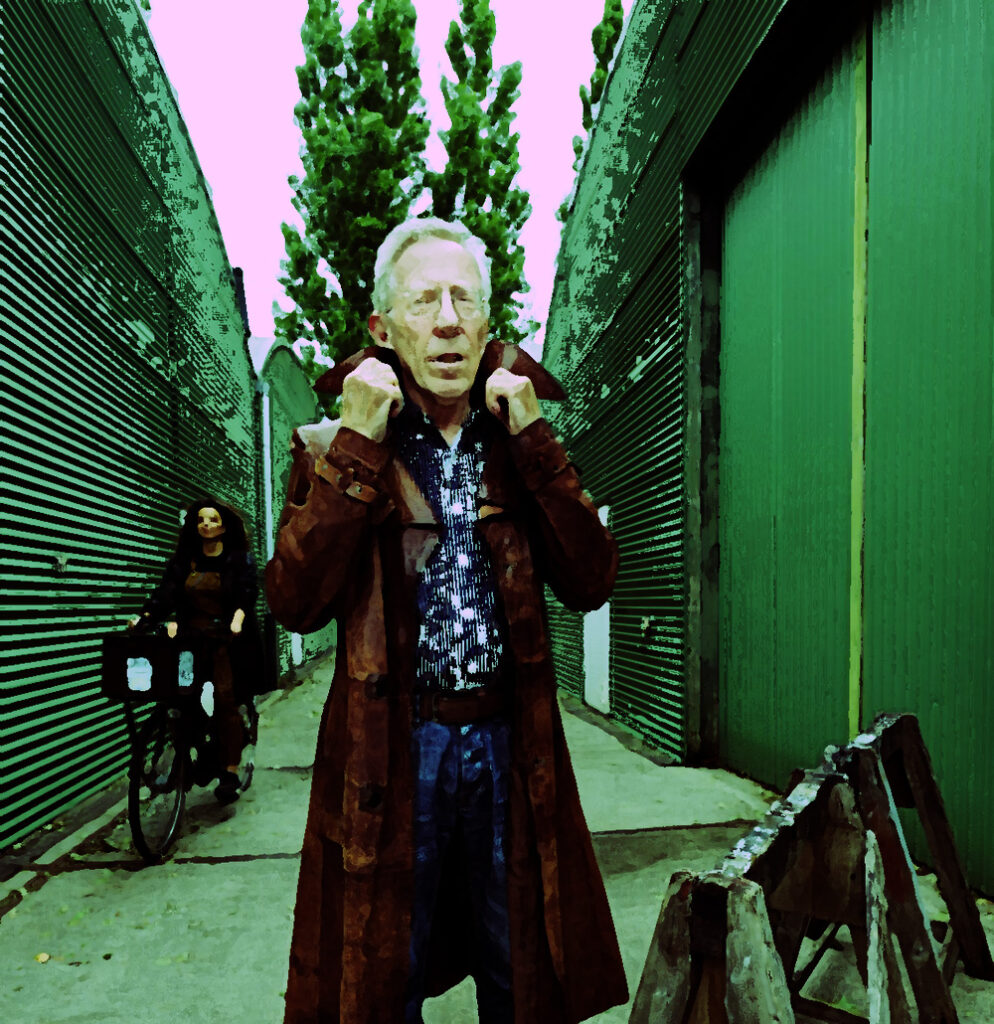
Wim Janssen is a double talent. When he’s not playing the drums, he makes beautiful paintings with a view of the Amsterdam-Rhine Canal.
We speak to him in his studio–rehearsal room on the Zuiderzeeweg, just across the Amsterdamsebrug, directly opposite Eiburgh Snacks, the place where, according to experts, you can get the best fries in Amsterdam. We are welcomed in a warehouse where it is full of our own work. In the right corner is a drum kit and on the table are copies of the comic book Kant noch wal, made during corona.
“We got this space from the municipality in 2001,” says Janssen. “We were with other artists in an old customs warehouse in West. When they started building there, they assigned it to us and it’s an ideal place. We are best known for the beautiful lamp shop of Brilman Design.”
Do you paint here on a daily basis?
“Definitely. And I play drums there too. But never at the same time. If I come in and I start painting, I keep doing it for the rest of the day. This also applies the other way around. Now I have a few gigs lined up and then there are days when I just sit behind the drum kit. That has to do with a certain concentration and that you want to continue.”
There are dozens of paintings of yours here. How would you describe your style?
“It’s called figurative. These paintings arose from drawing the comic strip Kant noch wal during corona. All small events, observations that I made on the way to my destination. Because of corona we all had to stay at home and for the first time I didn’t start drawing here in my studio but at home. This whole book is actually a big improvisation and that’s a similarity with how I play drums. I sit down, tap and start playing without knowing where I’m going to end up.”
read more (in Dutch)
Paintings until 2011
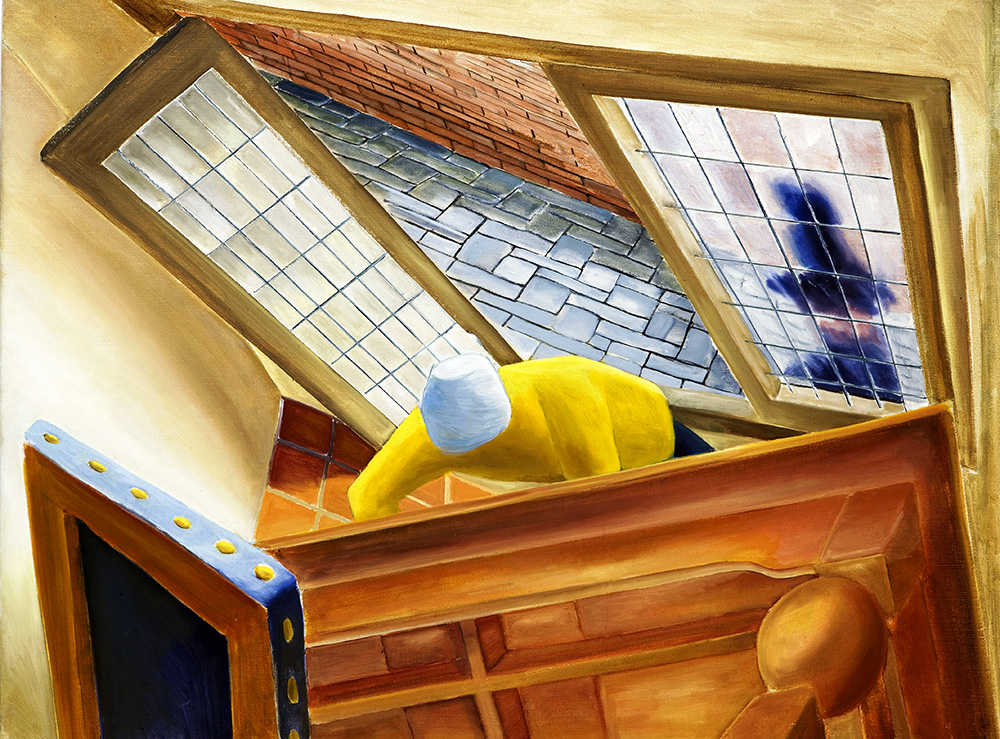
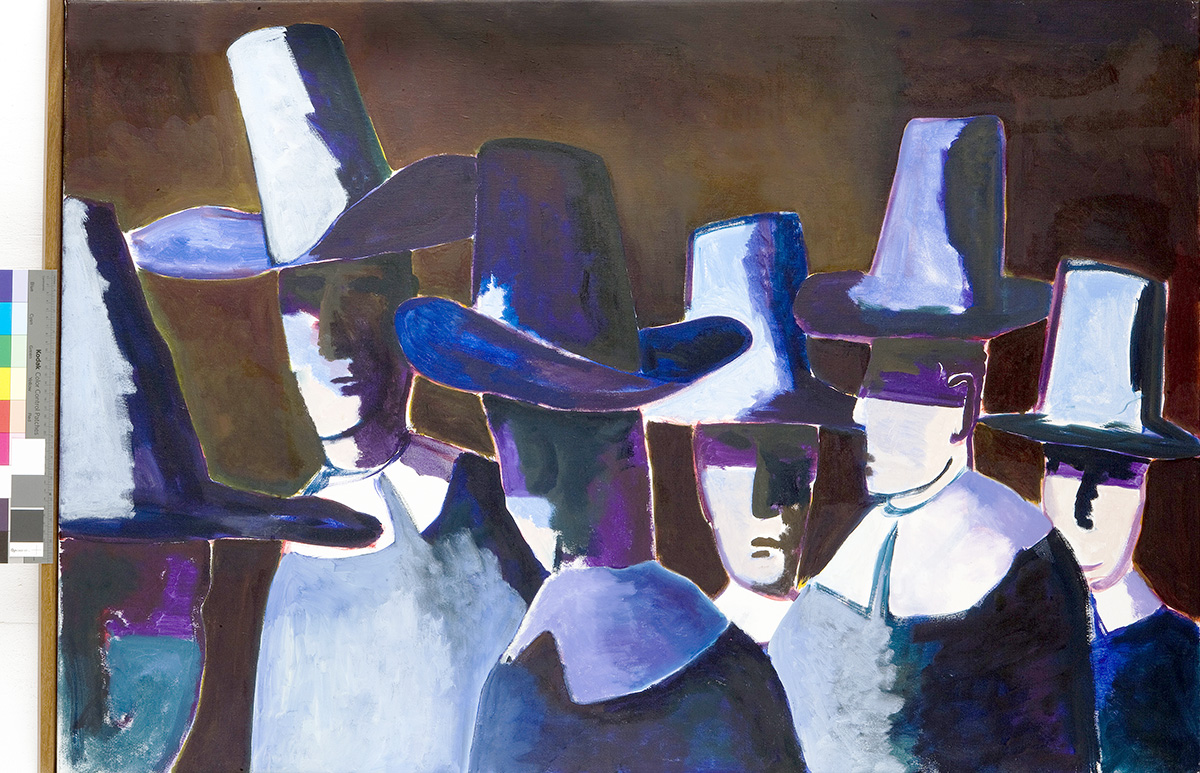
Inspired by a 1970s Italian catalogue specializing in painting reproductions from art history, I began what has become a long-term project creating my own imaginary inventory of non-existent art, eventually consisting of many divergent image types and genres from art history.
I think what fascinated me most in reading that catalogue was the way the reproductions themselves explained something aboutthe behavior of watching – for example, which images people watch, and which they don’t.
It’s intriguing and unclear what people like to look at, and why. Popular, so to speak ‘genre’ images for example: landscapes,sunsets, sea scenes, hunting scenes, winter landscapes, gypsy women – most of the paintings of the Dutch Seventeenth Century really.
Over the years I have compiled a sort of personal typology dealing with image types from all of these sorts of paintings. But I have also produced my own painted models, and even genres, in order to achieve this imaginary catalogue.
Paintings from 2011

My work is about observing behavior. Before 2011, I was mainly concerned with viewing behaviour. And especially how people look at paintings. This is how the works that commented on art history were born. Although in that period I also made paintings in which behaviour was central, such as with “Ballet Ball”.
After 2011 I started to focus more on the behavior itself. I paint everyday, random, or casual situations, which are given drama by their setting with sometimes a slightly surreal undertone. I see it as a challenge to use a less abstract and more realistic style, different from before 2011.
Comics
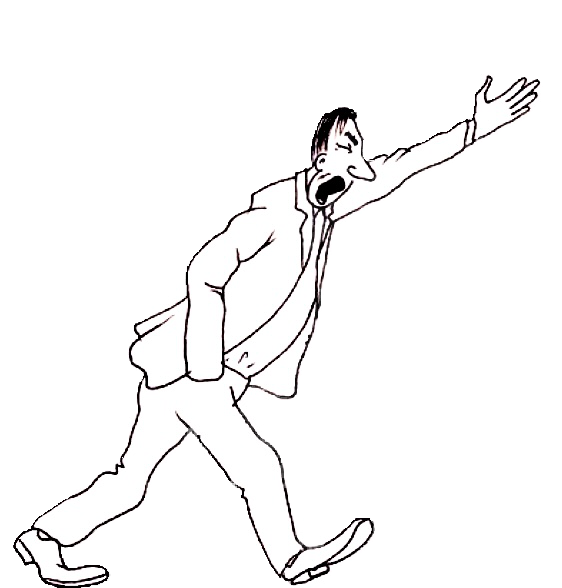
A joke book and a novel of manners. From jazz drummer and fine-art painter Wim Janssen’s cartoon universe, we can glimpse in the distance awed Kuijfje and dyspeptic Sjef van Oekel, James Thurber’s dejected spouses, and various comic-strip workplaces. We eavesdrop on slivers of conversation, scraps that reveal all or nothing save Janssen’s keen ear for overheard speech. There are strange/grumpy encounters in postcard low country: in the dunes, along a dike, on bike paths through town or.country. We check in with an obscure Italian pop star, get advice from several computer experts and a visit from the jazz police, do some time-traveling, and experience the terror of discovering the friendly dinner your boss invited you to is a working meal, with you stuck taking notes. And in this jumble of multi-panel stories and single-image gags, we are not always confident who/what is and isn’t connected.
— Kevin Whitehead